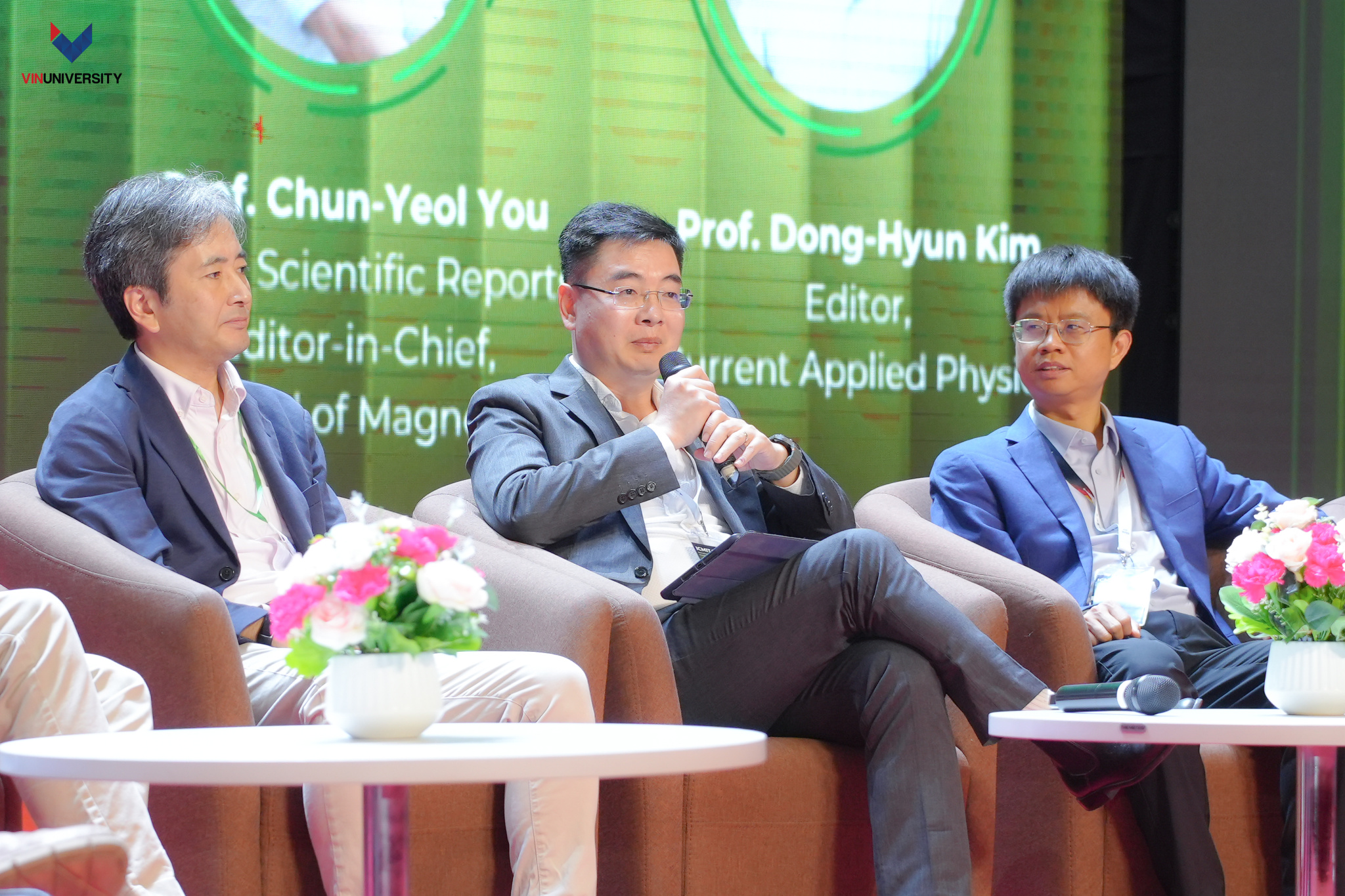
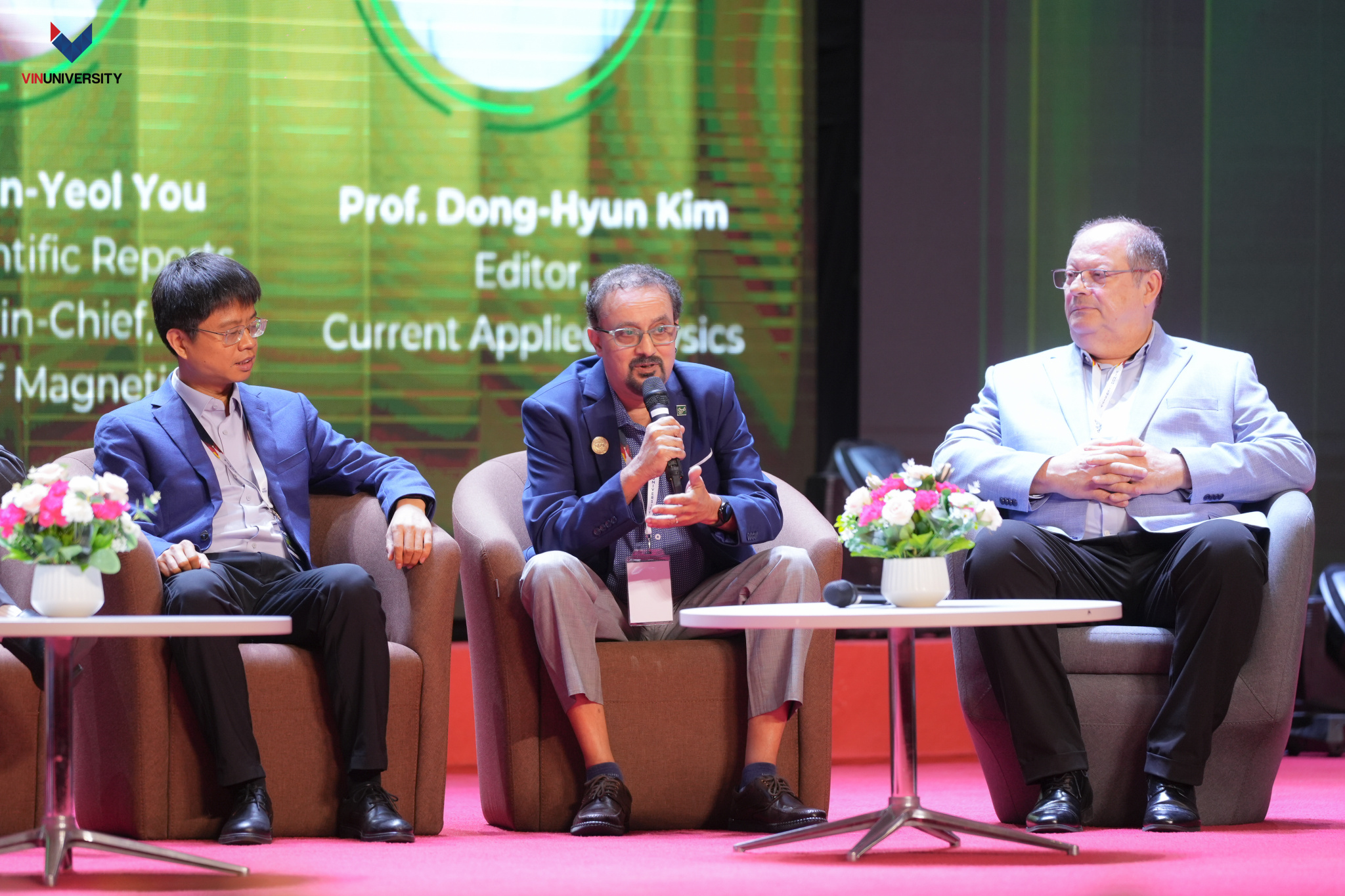
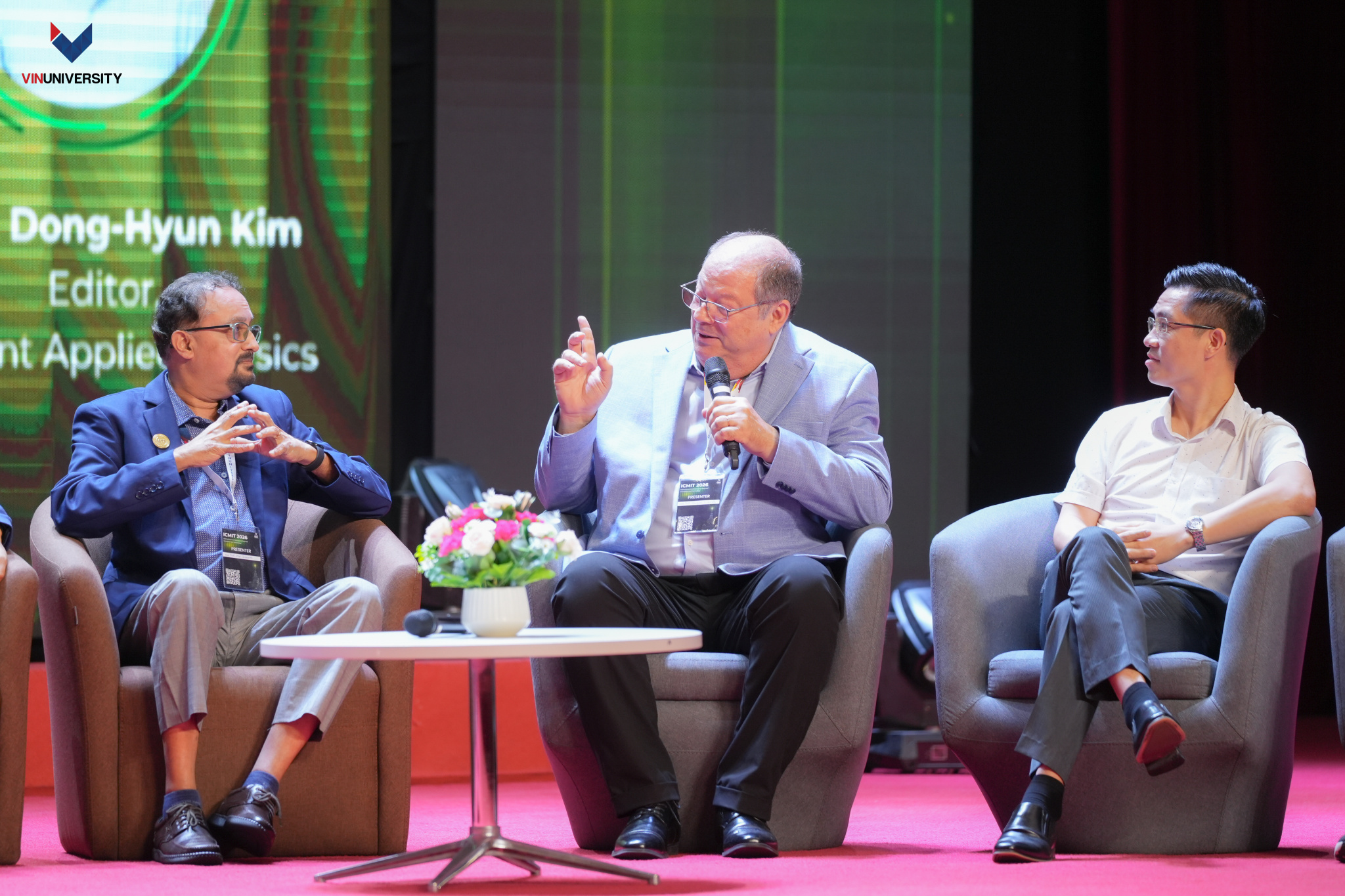
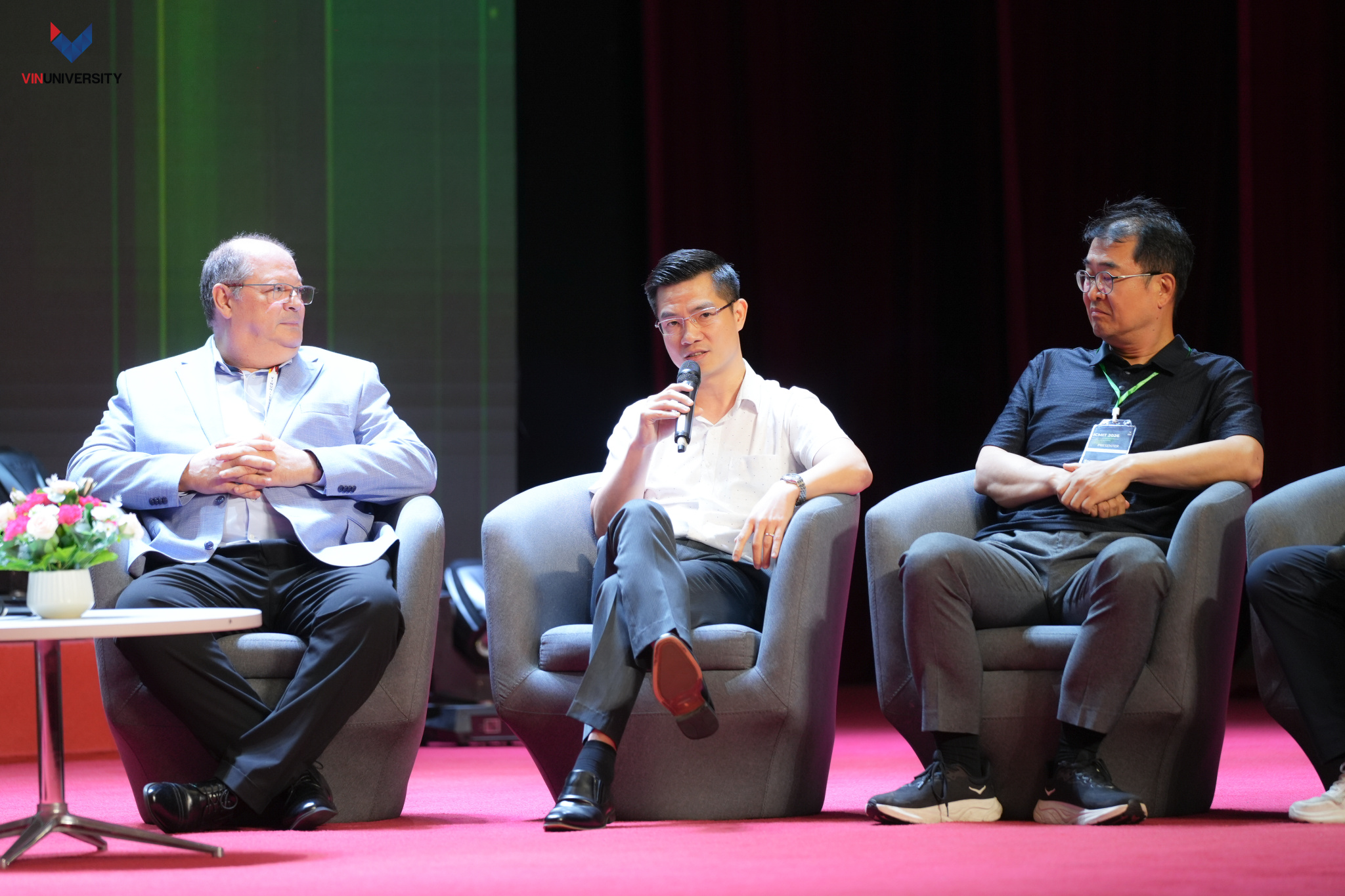
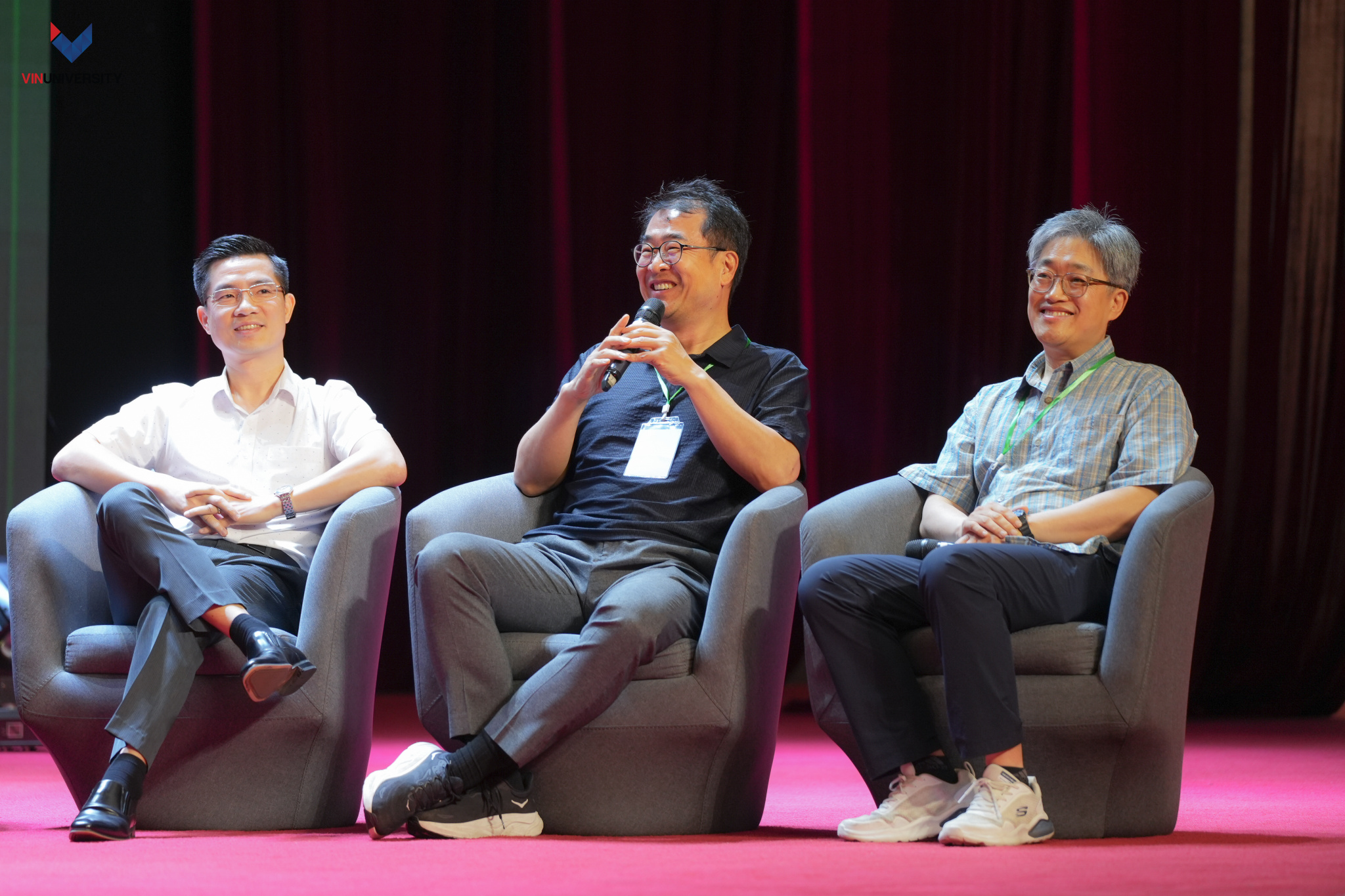
The “Meeting with Editors” workshop, held as part of ICMIT 2026, brought together leading journal editors, researchers, and early-career scientists to discuss the evolving landscape of scientific publishing. The workshop consisted of two sessions: a Distinguished Lecture on the scientific publishing landscape, delivered by Dr. Sami Mitra, Senior Editor of Physical Review Letters (PRL), followed by an Editor Roundtable Discussion featuring editors from leading international journals. This workshop was chaired by Prof. Phan Manh Huong of VinUniversity.
Session 1: Distinguished Lecture: “Scientific Publishing Landscape”
Dr. Sami Mitra, Senior Editor, Physical Review Letters
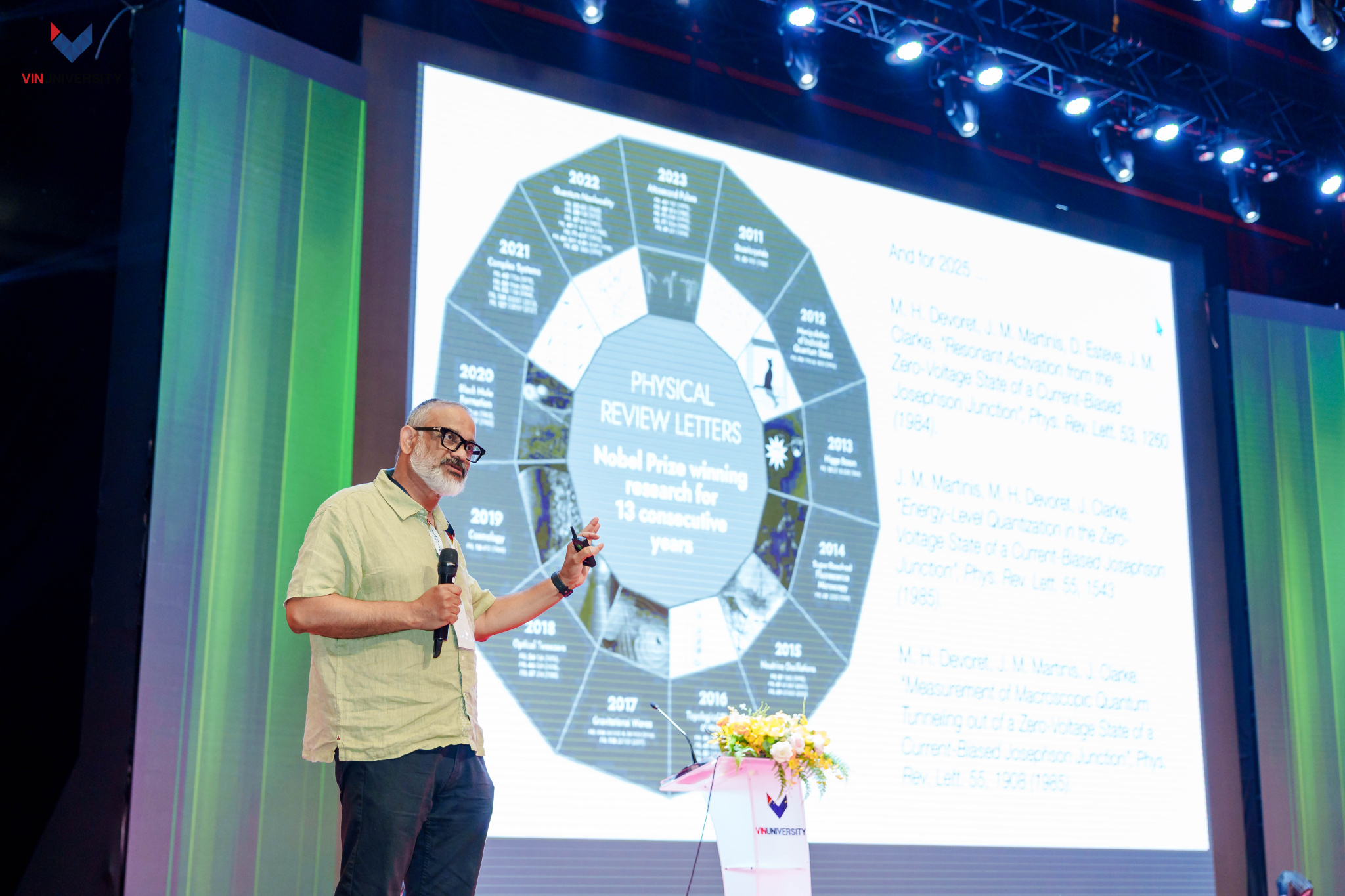
Dr. Sami Mitra opened the workshop by emphasizing that the session was not intended as a conventional scientific presentation, but rather as an opportunity to reflect on the rapidly changing nature of scientific publishing. He introduced the mission and scope of Physical Review Letters, one of the world’s most influential journals in physics.
PRL is distinctive in being both broad and highly selective. While many selective journals publish only a few hundred papers each year, PRL publishes nearly 3,000 papers annually across a wide range of fields, including condensed matter physics, materials science, nuclear physics, plasma physics, gravitation, soft matter, and cosmology. According to Dr. Mitra, the journal seeks to balance four ambitions: to be large, broad, representative of developments across physics, and selective enough to maintain high scientific prestige.
He noted that PRL has played a significant role in the history of physics, having published many landmark papers later recognized by Nobel Prizes. For 13 consecutive years, PRL papers were cited in Nobel Prize materials, reflecting the journal’s long-standing contribution to major discoveries across fields such as gravitational waves, optics, cosmology, neutrinos, microscopy, and particle physics.
Dr. Mitra then highlighted several fundamental questions facing the future of scientific publishing.
Peer Review and Research Evaluation. Peer review is currently regarded as the standard mechanism for validating scientific work, but Dr. Mitra noted that this system may evolve significantly. Historically, peer review was not always expected. He recalled the well-known case in which Albert Einstein objected when a manuscript submitted to Physical Review was sent to a referee. Today, however, peer review is deeply embedded in academic publishing.
Looking ahead, Dr. Mitra suggested that new models may emerge. In the future, AI-supported evaluation systems or community-based platforms built around repositories such as arXiv may complement or even challenge conventional peer review. Whether such systems can achieve the same level of trust and rigor remains an open question.
He also discussed the growing role of publication metrics in academic hiring, promotion, and tenure decisions. Measures such as journal impact factor, citation count, and H-index have become influential in many academic systems. However, Dr. Mitra questioned whether this reliance on metrics will remain permanent, noting that evaluation practices vary widely across countries and institutions.
Open Access, Data, and the Role of Journals. The availability of preprint servers and online repositories has transformed the dissemination of research. In the past, researchers in many parts of the world often had limited access to international journals. Today, scientific articles are increasingly accessible through online platforms, institutional repositories, and preprint archives.
This raises an important question: if research can be widely accessed online, what is the continuing role of journals? Dr. Mitra suggested that journals may increasingly be valued not only for distributing research, but also for curating, validating, organizing, and preserving high-quality scientific knowledge.
He also discussed the continuing debate between subscription-based and open-access publishing models. Although open access was once widely viewed as the inevitable future of publishing, the landscape is now more complex. Both models continue to coexist, and it remains unclear which approaches will dominate in the long term.
Artificial Intelligence, Research Data, and Global Shifts. Dr. Mitra identified artificial intelligence, open data, and changing global research geography as three major forces shaping scientific publishing.
AI is already influencing how research is conducted, analyzed, written, and reviewed. Researchers increasingly use AI tools for literature searches, data analysis, coding, visualization, and manuscript preparation. At the same time, these developments raise important questions about transparency, authorship, reproducibility, and scientific integrity.
The growing importance of open data was another key theme. As data storage and access become more affordable, there is increasing pressure for researchers to make their data available to the broader community. Open data can improve reproducibility, enable new analyses, and support the development of AI-driven research tools.
Finally, Dr. Mitra noted that the geography of scientific publishing is changing rapidly. For many years, the United States was the largest contributor to PRL and other leading physics journals. More recently, however, other countries have significantly increased their scientific output, reflecting a broader shift in the global research landscape.
Session 2: Editor Roundtable Discussion
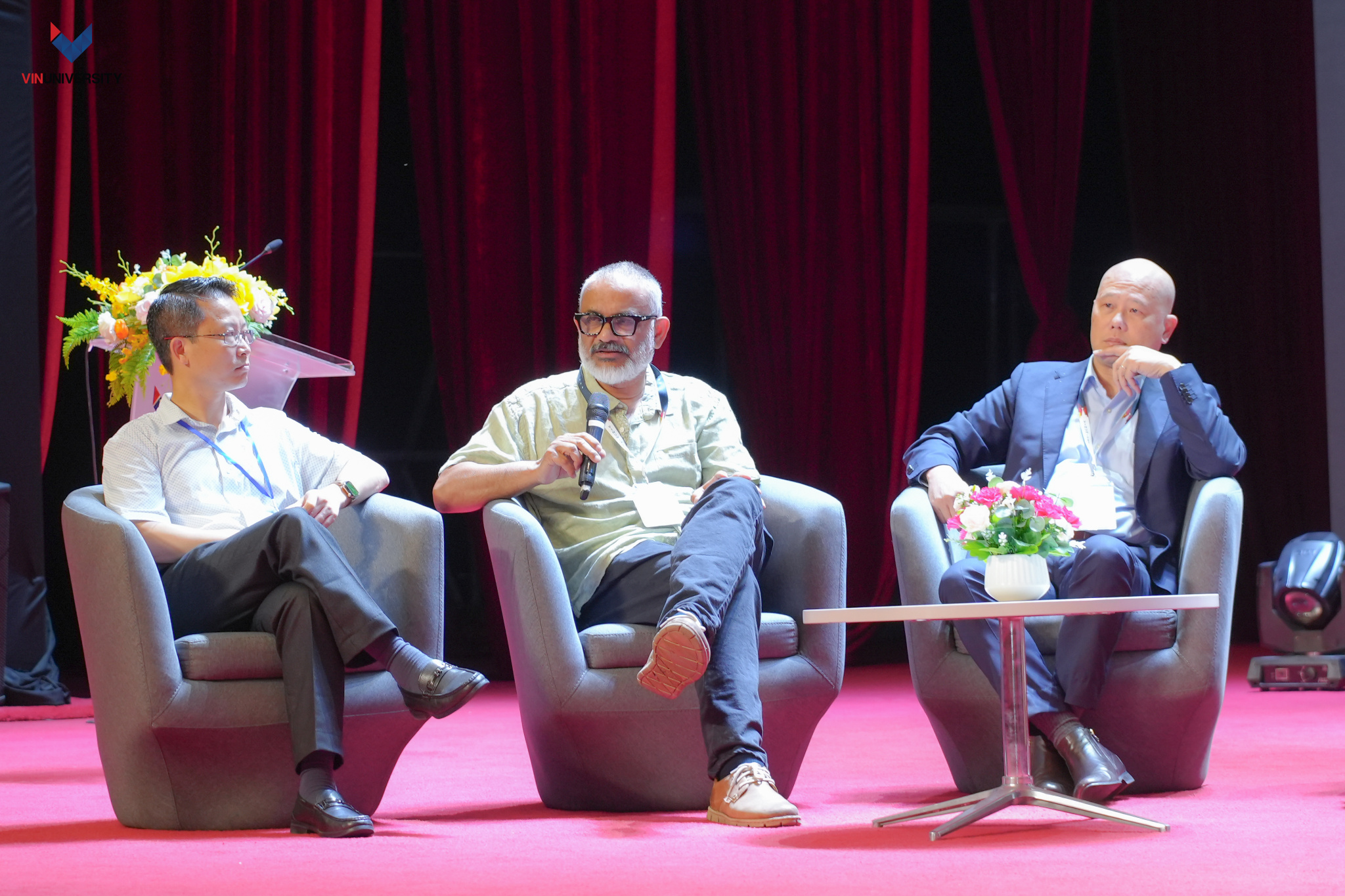
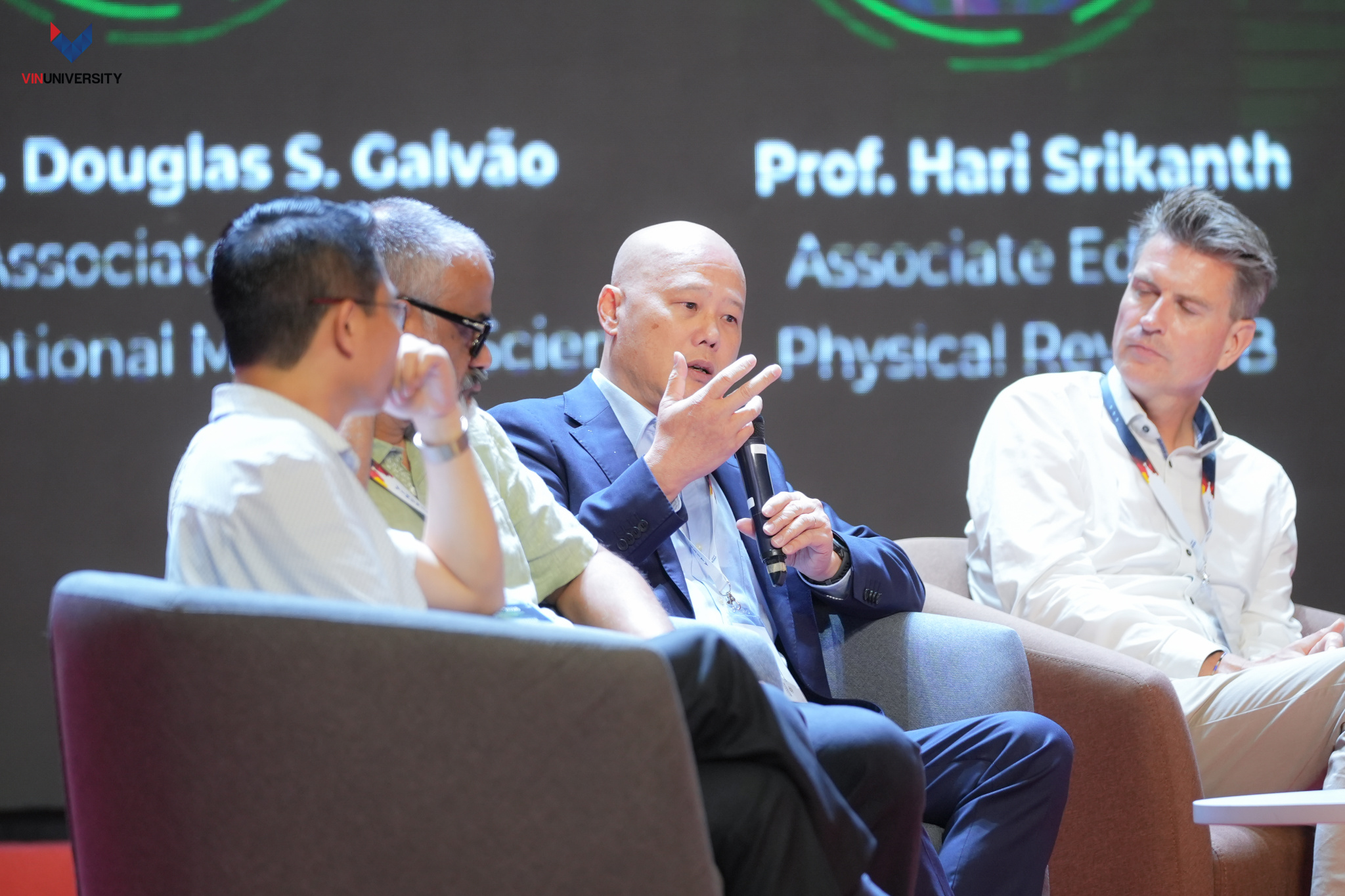
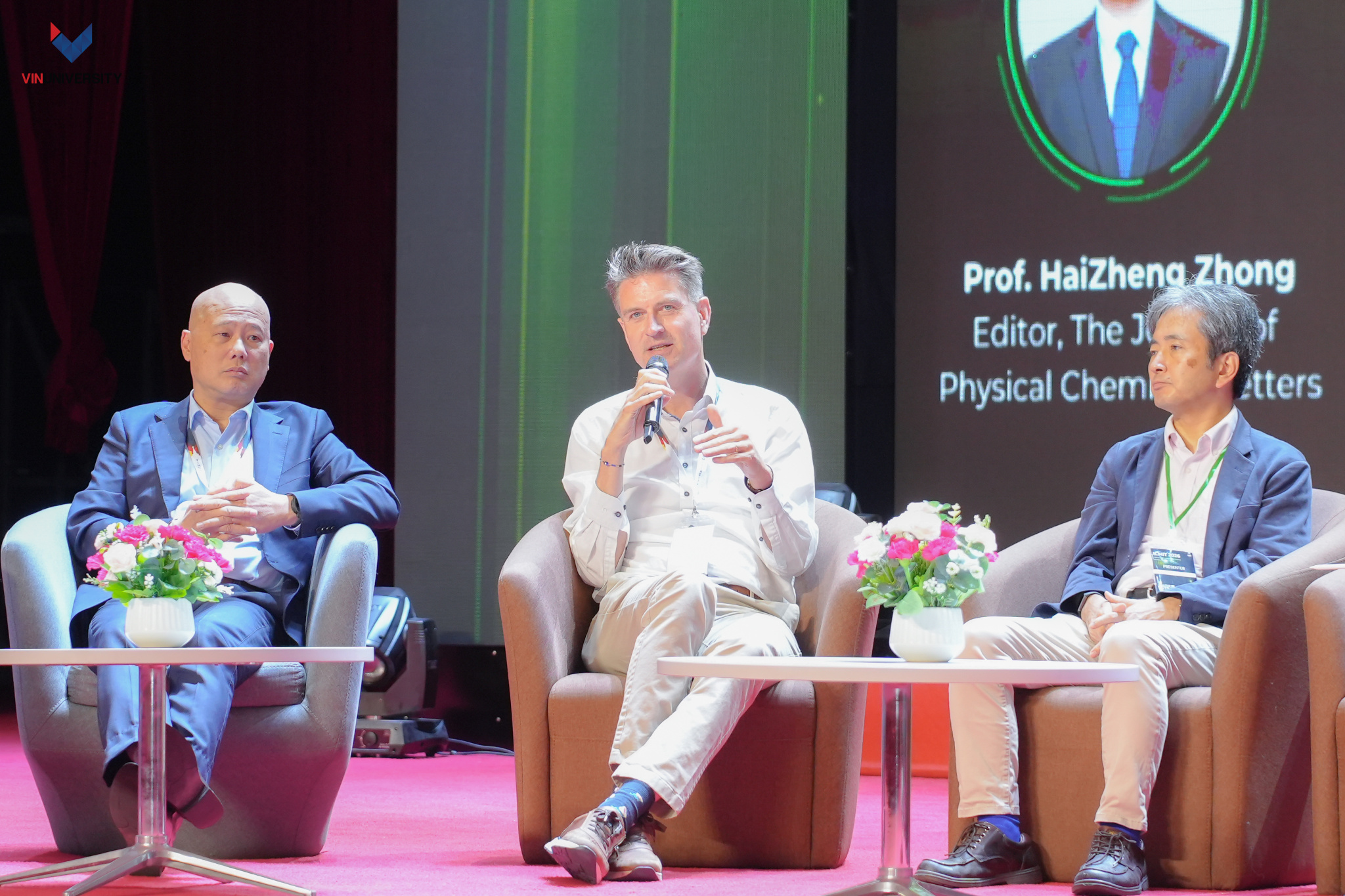
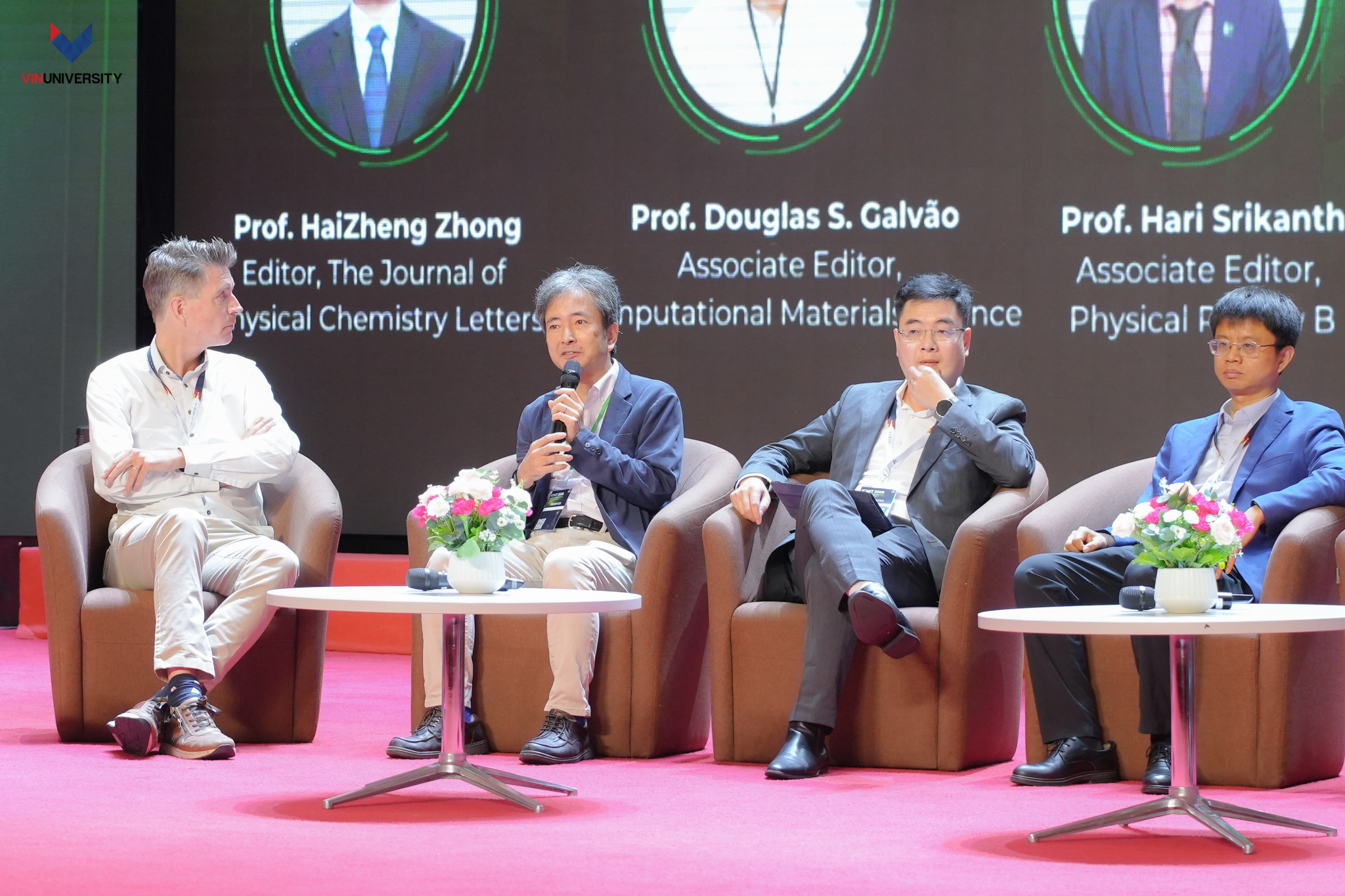
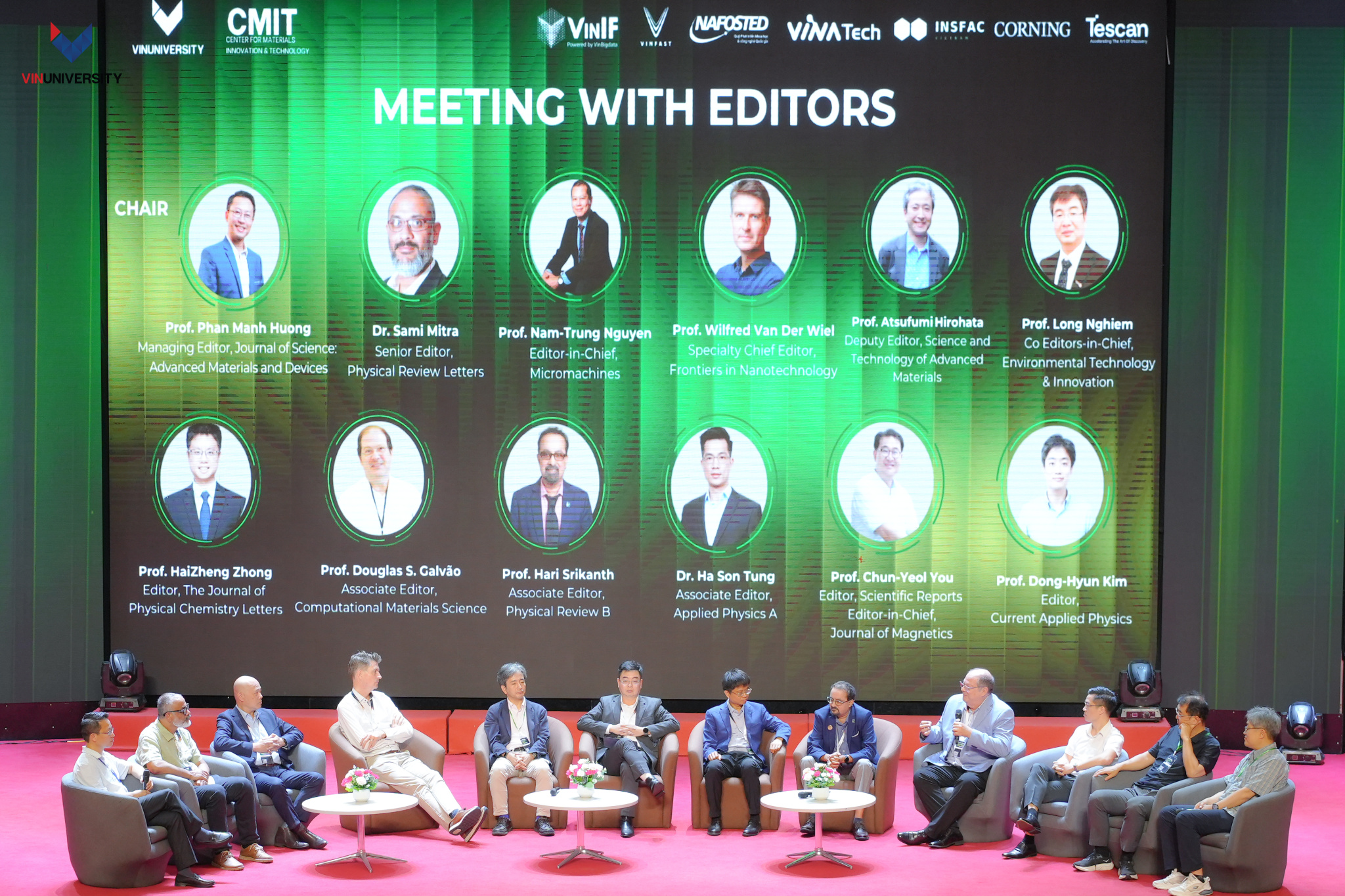
The second session was chaired by Prof. Phan Manh Huong, Managing Editor of the Journal of Science: Advanced Materials and Devices. The roundtable brought together editors representing a wide range of international journals and publishing organizations.
The panel included:
Each editor briefly introduced their journal and shared perspectives on editorial practice, publication strategy, research quality, and the future of scientific communication.
Journal Scope, Quality, and Impact. Several panelists emphasized the importance of selecting a journal that matches the scientific scope and intended audience of a manuscript.
Prof. Nam-Trung Nguyen discussed the role of open-access publishing and the need to maintain quality, transparency, and accessibility. He noted that publishers must continue strengthening editorial standards and peer-review processes, particularly as the number of journals and submissions continues to grow.
Prof. Wilfred van der Wiel described the broad and interdisciplinary scope of Frontiers in Nanotechnology, particularly in nanoelectronics and related emerging fields. He emphasized the value of topical collections and interdisciplinary collaboration in addressing complex scientific challenges.
Prof. Atsufumi Hirohata introduced Science and Technology of Advanced Materials and encouraged participants to consider submitting to the special issue associated with ICMIT 2026. He also noted that publication strategy should depend on a researcher’s career stage and objectives. While high-impact journals may provide immediate visibility, journals such as PRL can generate broader and more sustained scientific influence over time.
Prof. Duc Long Nghiem emphasized the importance of clearly defining a journal’s scope and editorial direction. He explained that Environmental Technology and Innovation focuses on environmental engineering, environmental science, and power technology. Rather than pursuing impact factor rankings alone, the journal prioritizes scientific relevance, clarity, and service to its research community.
Prof. HaiZheng Zhong introduced The Journal of Physical Chemistry Letters, which aims to publish work with strong physical and mechanistic insight. He emphasized that experimental synthesis alone is often insufficient; manuscripts should also provide a deeper understanding of the underlying scientific mechanisms. He also highlighted the journal’s commitment to rapid editorial processing.
Prof. Hari Srikanth discussed the long history and role of Physical Review B in condensed matter and materials physics. He emphasized that PRB does not compete primarily on impact factor, but rather on scientific depth, long-term relevance, and its role as a central publication venue for the condensed matter physics community.
Prof. Douglas S. Galvão noted that scientific publishing has become an increasingly complex and commercial environment. He encouraged young researchers to carefully evaluate journal scope, editorial standards, publication practices, and transfer options when selecting a venue for their work.
Open Data, Reproducibility, and Reviewer Incentives. The first audience question focused on whether open data and reproducibility should become mandatory requirements for scientific publication, as well as whether reviewers should receive stronger incentives for their work.
Prof. Nam-Trung Nguyen supported the expansion of open data practices and suggested that publishers may increasingly develop integrated platforms where papers, supporting data, and post-publication discussion are available together. He noted, however, that maintaining such systems requires resources and may involve additional costs.
Prof. Hari Srikanth emphasized the importance of a strong first impression during editorial screening. Editors often review many manuscripts simultaneously, and therefore titles, abstracts, figures, references, and cover letters are all important. He advised authors to ensure that their references are current and relevant to the journal’s readership. A clear cover letter can also help editors understand why a manuscript is appropriate for a particular journal.
Prof. Duc Long Nghiem addressed reviewer incentives by emphasizing that peer review is a shared responsibility within the scientific community. He suggested that researchers should contribute reviews in proportion to their own publication activity, with a useful guideline being two or three reviews for every paper published. Researchers should focus their reviewing efforts on journals and fields that are closely aligned with their expertise.
AI, Automated Laboratories, and the Future of Scientific Communication. A major part of the discussion focused on how AI, machine learning, robotics, and automated laboratories may transform scientific research and publishing.
Prof. Peter Fisher raised the possibility that traditional static papers may become insufficient for documenting research conducted in increasingly automated and AI-driven laboratories. He suggested that future scientific communication may need to become more dynamic, interactive, and continuously updated.
Prof. Nam-Trung Nguyen proposed that scientific papers may evolve into dynamic research records, linked to datasets, discussion platforms, and continuously curated information.
Dr. Sami Mitra agreed that some research fields have already moved beyond the traditional paper format. He cited machine learning and crystallography as examples where data, code, and computational workflows are increasingly central. He suggested that, over the next two decades, current publication formats may appear outdated, although the pace of change remains uncertain.
Prof. Hari Srikanth cautioned that AI tools must be used carefully in scientific publishing. He noted that large language models can generate inaccurate or fabricated references and information. AI should therefore be treated as an assistant rather than a substitute for scientific judgment. While AI can support literature searches, coding, and data analysis, scientific creativity and critical thinking must remain central.
Prof. HaiZheng Zhong emphasized that journals should remain open to new ideas, including AI-enabled approaches, provided that they contribute meaningful scientific insight.
Prof. Duc Long Nghiem described AI as a powerful productivity tool but argued that it remains fundamentally dependent on existing data. In his view, AI can accelerate analysis and support research workflows, but human researchers remain essential for generating genuinely new scientific ideas.
Dr. Ha Son Tung shared examples from A*STAR in Singapore, where automated laboratories are being developed in which AI systems design experiments, robots execute them, and algorithms analyze the results. Such systems may significantly improve research productivity and accelerate materials discovery. However, he emphasized that researchers must still understand and interpret the scientific meaning of AI-generated results.
Prof. Wilfred van der Wiel concluded that while journal formats may change, the core purpose of scientific publishing will remain: to support transparent, self-correcting science. He stressed that transparency is especially important in the age of AI, where many systems remain difficult to interpret.
Fairness, Conflict of Interest, and Editorial Decisions. The discussion also addressed whether young and less-established researchers may be disadvantaged during editorial screening.
Prof. Nam-Trung Nguyen explained that initial editorial checks focus primarily on the quality and integrity of the submission rather than the identity of the authors. Editors look for signs of paper mills, manipulation, plagiarism, or inappropriate AI-generated content.
Prof. Duc Long Nghiem noted that editorial decisions should be based primarily on scientific quality, clarity, and relevance to the journal’s readership. He added that many publishers have policies intended to promote social inclusion and avoid disadvantaging early-career researchers or researchers from emerging economies.
Prof. Hari Srikanth explained that editorial decisions often involve consultation among multiple editors, especially in borderline cases. Authors also have the right to appeal editorial decisions when they believe that a manuscript has been misunderstood or unfairly evaluated.
On conflict of interest and self-citation, Prof. Nam-Trung Nguyen noted that authors are required to disclose conflicts of interest. Editorial systems can also identify unusually high levels of self-citation, which may prompt further scrutiny. Prof. HaiZheng Zhong added that publishers increasingly use integrated tools to identify potential ethical concerns, including retractions and patterns of problematic publication behavior.
Why Scientists Become Editors? When asked why scientists take on editorial roles despite the significant workload, panelists emphasized both professional development and service to the research community.
Prof. HaiZheng Zhong explained that editing provides a broader view of emerging research directions and helps scientists develop stronger critical thinking and writing skills. Moving between the roles of author, reviewer, and editor allows researchers to better understand how scientific work is evaluated and communicated.
Prof. Duc Long Nghiem described editing as an essential contribution to the scientific ecosystem. For research to be published and shared, scientists must be willing to serve as reviewers and editors.
Prof. Hari Srikanth suggested that early-career researchers can begin developing editorial experience by serving on publication committees for conferences. He also noted that editorial work may be recognized as consulting or professional service in some academic systems.
Advice to Young Researchers
The workshop concluded with each editor offering practical advice to young researchers.
Dr. Sami Mitra encouraged researchers to work with experienced mentors and to understand the specific scope, style, and expectations of their target journals. Many papers are rejected not because the science is incorrect, but because they are not a good fit for the journal.
Prof. Wilfred van der Wiel advised researchers to think about publication strategy from the beginning of a project. Rather than collecting large amounts of data before considering publication, researchers should define the scientific message, target audience, and intended output early in the research process.
Prof. Atsufumi Hirohata reminded authors to communicate respectfully with reviewers. Reviewers are volunteers, and rebuttal letters should remain professional, evidence-based, and constructive.
Prof. Duc Long Nghiem emphasized the importance of writing: “My data is my knowledge; my writing is my skill.” He encouraged researchers to continually improve their writing and to maintain honesty and integrity in all aspects of scientific communication.
Prof. Hari Srikanth advised researchers to begin with high-quality figures and build a clear scientific story around them. He also recommended identifying the target journal early and understanding where the intended audience reads and publishes.
Prof. Douglas S. Galvão encouraged researchers to invest time in presenting their work clearly. Strong data alone is not sufficient if the scientific message is confusing or poorly communicated.
Dr. Ha Son Tung encouraged young researchers to stay closely connected to their scientific community. He recommended identifying leading research groups and journals in one’s field and benchmarking research against the highest international standards.
Prof. Chun-Yeol You encouraged young scientists to accept opportunities to review manuscripts. Reviewing can strengthen critical thinking, improve research skills, and provide valuable insight into how scientific work is assessed.
Prof. Dong-Hyun Kim concluded by encouraging researchers to maintain the highest ethical standards and to develop a broad perspective on scientific research and publishing.
The ICMIT 2026 “Meeting with Editors” workshop provided a valuable forum for discussion on the future of scientific publishing, open science, AI, peer review, research integrity, and career development. The session highlighted that while publishing models and technologies may change, the central values of science—rigor, transparency, integrity, critical thinking, and service to the research community—will remain essential.
The workshop also offered practical guidance for young researchers on selecting journals, preparing manuscripts, engaging with reviewers, building strong scientific stories, and contributing to the broader research ecosystem.